
Registration Is Done. What Happens Next?
A Post-Purchase Property Checklist for Odisha Homebuyers.

Table of Contents
- Introduction
- What Should You Do After Property Registration in Odisha?
- Step 1: Secure the Final Registered Sale Deed and Registration Trail
- Step 2: Confirm That the Mutation Case Has Actually Been Initiated
- Step 3: Verify the Updated RoR on Bhulekh Odisha
- Step 4: Run a Three-Record Identity Check
- Step 5: Decide Whether You Need a Fresh Encumbrance / Transaction Record
- Step 6: Update the Correct Local Property-Tax Record
- Step 7: Move Electricity and Other Utility Records Into the Right Name
- Step 8: Close the Tax and Home-Loan Paper Trail
- Step 9: Build a Property Vault Before the Documents Scatter
- FAQ
Introduction
The signatures are complete. The biometrics are done. The registered sale deed is finally in your name.
For many buyers, this is the moment when the property file is closed, placed in a cupboard and forgotten.
But from an ownership-management point of view, property registration in Odisha is better treated as the start of a short follow-up sequence—not the final administrative step.
The reason is simple: different systems record different parts of your ownership journey. The registration office preserves the registered transaction. The revenue system deals with mutation and RoR. A municipality or other local body may maintain a property-tax or holding record. The electricity distributor maintains the consumer account. Your lender may hold original documents. Your income-tax paperwork may have its own closing steps.
The useful question after registration is therefore not:
“Do I own the property now?”
It is:
“Have all the records that will matter later been updated, checked and safely stored?”
1. Think About Your Budget
The budget is one of the most important, and likely the first, factors while looking for an apartment. You should establish a budget before narrowing your alternatives as apartments, like the 2bhk flat in Cuttack, can be a significant investment. Figure out how much money you should have each month after paying for your daily needs and other purchases. This amount should help you determine what monthly bank loan payments you can afford. It’s also good to look at your savings to see how much you can put as a down payment.
2. Extra Costs And Hidden Fees
Ensure you read the fine print and fully understand any penalty provisions in the documents. If you do not get possession of the apartment during the grace period, the builder is obligated to pay you a penalty every month. Additional costs should also be considered, including GST, stamp duty, registration fees, processing fees for house loans, and other applicable taxes.
3. Fees For Registration And Stamp Duty
When you register the property in your name, the government will impose additional charges, such as registration and stamp duties, which are quite large sums. Also, consider the fees for home inspectors, notaries, and attorneys (if needed) while making your budget.
4. Floor Area Of The Place
It is essential to know the exact total carpet area of your apartment or flat before investing in a real estate project. An apartment’s carpet area is its floor space within the building’s walls. Find out how much the carpet space in your apartment is worth and the total cost. Choose the 2 bhk flat for sale in Cuttack for homes with nice carpet areas.
5. The Builder’s Credibility
It is crucial to take into account the builder’s reputation. It is a factor that is often missed. Builders often mislead clients on features, completion deadlines, financials, and property paperwork. Therefore, it is wise to research the builder’s reputation before making a deal.
6. RERA Compliance
To legally sell their properties, all real estate developers are required to get an RERA certificate. The builders must adhere to the various RERA standards that are set. Doing so will guarantee that the property you’re purchasing has been bought lawfully.
7. Proper Supply Of Water And Power
Investing in a high-end apartment in a neighborhood with frequent power outages and water shortages is a bad idea. Always check ahead of time to see if the place has access to power and water. Some advertisements may not provide correct information on the residential project’s water supply and energy resources. Talk to the locals to investigate and learn about these issues.
8. Get The Basic Amenities
Before investing, carefully reviewing the facilities a residential building provides is wise. Make sure there are amenities such as parking, elevators, a gym, parks, sports facilities, etc. If there isn’t a gym, parks, etc., in the building, ensure similar facilities are nearby. You can find an apartment for sale in Cuttack with all the essentials for comfortable living.
10. Extra Furnishing and Renovation Expenses
Some renovations are necessary to turn an apartment into a home, but these can cost you additional money. Consider these “additional renovation” or “furnishing” expenses while making a budget for an apartment. Depending on the building’s age, some apartments are partially furnished, while others require additional care. Newer apartments, especially completely furnished ones, could be more expensive than older ones.
9. Safety And Security
While choosing an apartment, safety must be your top priority. Ensure the apartment complex has security cameras and guards on duty around the clock before buying a unit there. Verify if the apartment building has security features such as anti-theft alarms and safety doors. It will give you a better understanding of the extra expenditures needed to guarantee your security.
11. Resale Value Of The Flat
The final step is not a government form. It is information management.
Create one permanent property document file with the same folder structure in physical and digital form.
Folder | What to Store |
01 · Registration | Registered deed, registration reference, fee/stamp records, certified copies |
02 · Revenue | Mutation reference/order, RoR Odisha, Bhulekh extracts/maps |
03 · Tax / Local Body | Holding/property assessment, ownership update, tax receipts |
04 · Utilities | Electricity name-transfer record, water/other service records where applicable |
05 · Loan / Income Tax | Loan papers, document inventory, current TDS/challan/statement records where applicable |
06 · Project / Handover | Possession letter, handover sheet, warranties, approvals/documents supplied to buyer |
07 · Maintenance | Maintenance receipts, association/RWA documents, service records |
08 · Evidence | Property photographs at handover, meter readings, key correspondence |

Krishna Developers
Planning to buy a villa near Bhubaneswar?
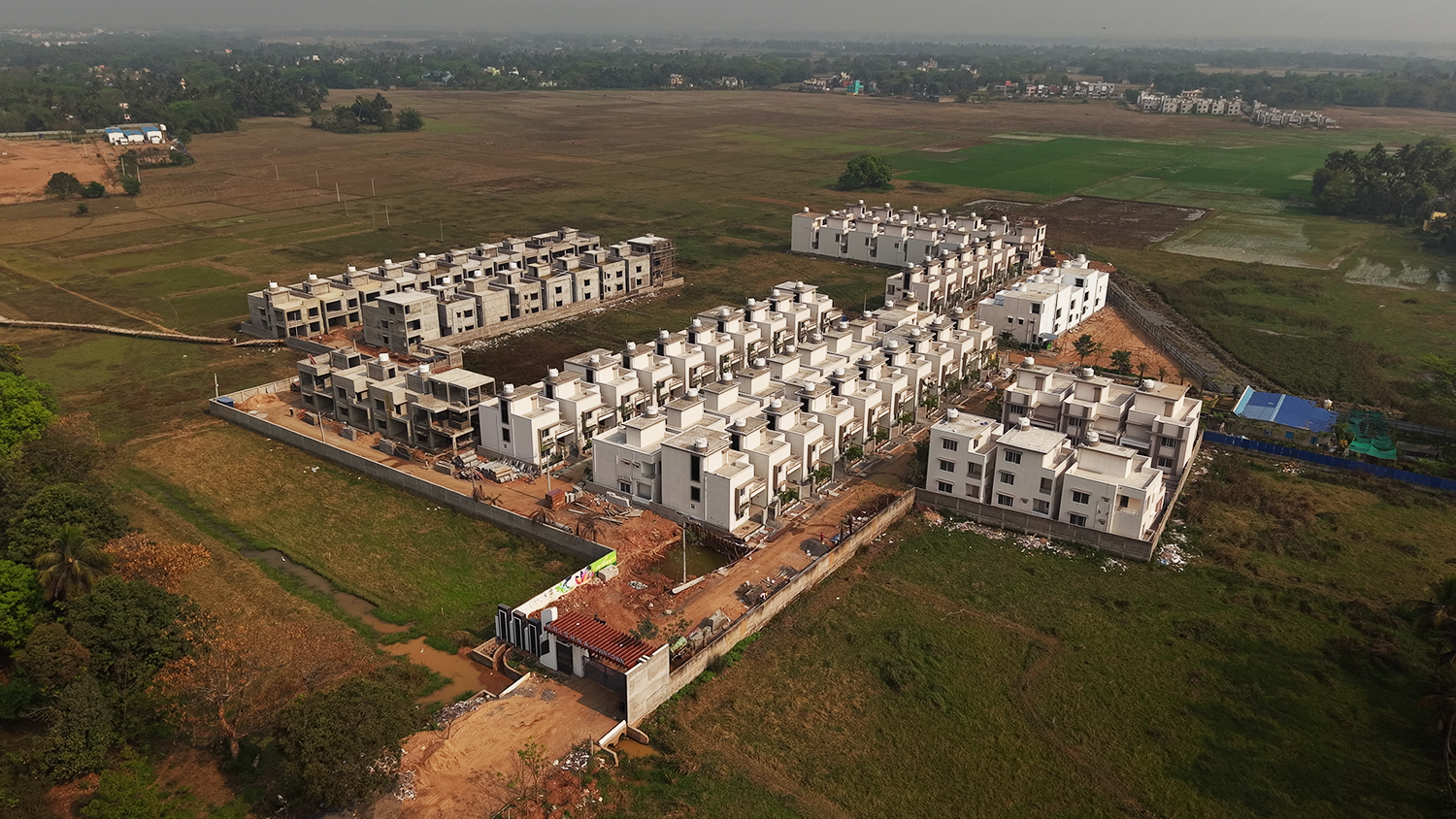
- Explore Krishna Downtown, Phulnakhara, a premium gated villa community designed for families who value space, peace, greenery, and connectivity.
- Connect with the Krishna Developers team to understand project details, location advantages, RERA information, and site visit options.